Digital Signs Vs Traditional Signs In Wollongong: Which Delivers More Impact?
Brookes Engraving & Signs • May 11, 2026
A sign often becomes part of a customer’s first impression before they step through the door. Whether it’s a brightly lit display outside a takeaway shop or a neatly finished reception sign in an office foyer, signage shapes how a business is noticed and remembered. For businesses planning a fitout, refurbishment or rebrand, one of the biggest decisions is whether to invest in digital signage or stay with more traditional sign styles.
The answer is rarely straightforward. Different industries, locations and customer behaviours all influence which signage format suits a business setting. Some workplaces need frequent content updates while others rely on long-term branding and visibility. Budget, maintenance requirements and local installation considerations also play a role.
For businesses researching signs in Wollongong, understanding the differences between digital and traditional signage can make planning far more practical and cost-conscious.
Understanding the Difference Between Digital & Traditional Signs
Digital signs use illuminated screens or LED technology to display changing content. These displays can rotate promotions, announcements, menus, branding or safety messaging throughout the day. Traditional signs rely on fixed materials such as acrylic, aluminium, vinyl, timber or fabricated lettering.
Each format serves a different purpose depending on how often messaging changes and where the sign will be placed.
Digital signs commonly include:
- LED shopfront displays
- Electronic menu boards
- Video walls
- Scrolling message boards
- Interactive touch screens
Traditional signage may include:
- Fascia signs
- Vehicle graphics
- Window decals
- Engraved plaques
- Directional & safety signage
A traditional sign generally presents a single consistent message while digital signage allows businesses to adapt messaging in real time.
Retail Environments Often Benefit From Changing Displays
Retail spaces tend to rely heavily on visual attention. In busy shopping precincts or high pedestrian traffic areas, movement and changing visuals can draw attention more quickly than static graphics alone.
Digital signage can support retail environments where promotions change regularly or where businesses want flexibility across different seasons or campaigns.
Examples include:
- Fashion retailers promoting sales or new arrivals
- Shopping centres displaying rotating tenant advertising
- Beauty businesses advertising appointment availability
- Electronics stores showcasing product videos
Traditional signs still remain important in retail settings because permanent branding creates familiarity and visibility from a distance. Many businesses combine both approaches by using a fixed fascia sign alongside digital window displays.
In these situations, the traditional sign establishes long-term brand identity while the digital component handles temporary messaging.
Hospitality Businesses Often Need Flexibility
Restaurants, cafés and takeaway venues frequently update menus, specials and pricing. Printed boards can become costly or time-consuming to replace regularly, which is one reason digital menu boards have become increasingly common.
Digital displays may allow hospitality venues to:
- Change breakfast & dinner menus automatically
- Highlight seasonal dishes
- Display food photography
- Rotate promotional offers
- Share event information
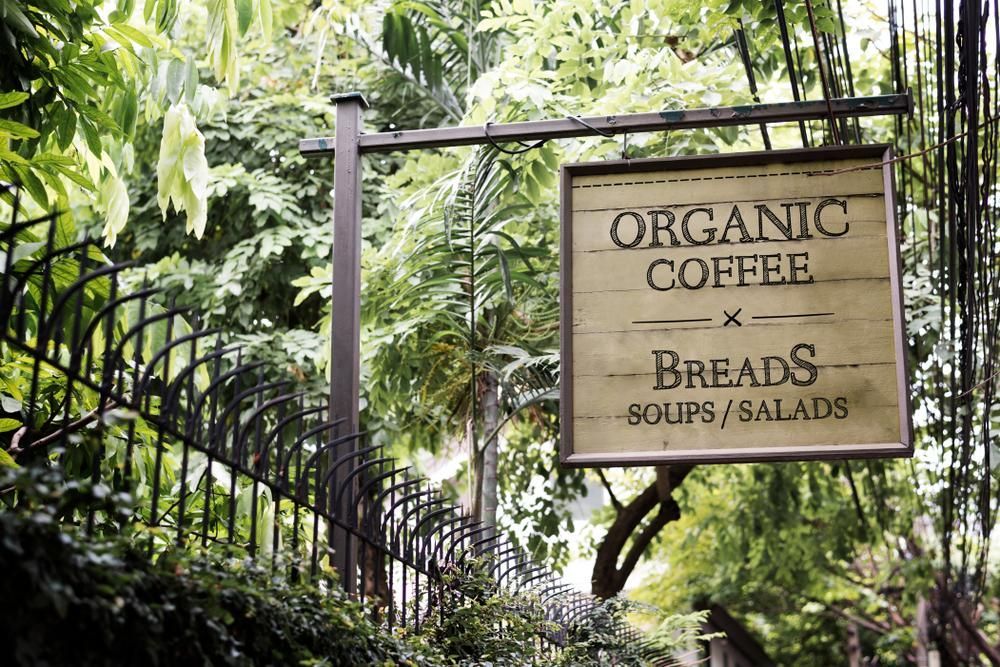
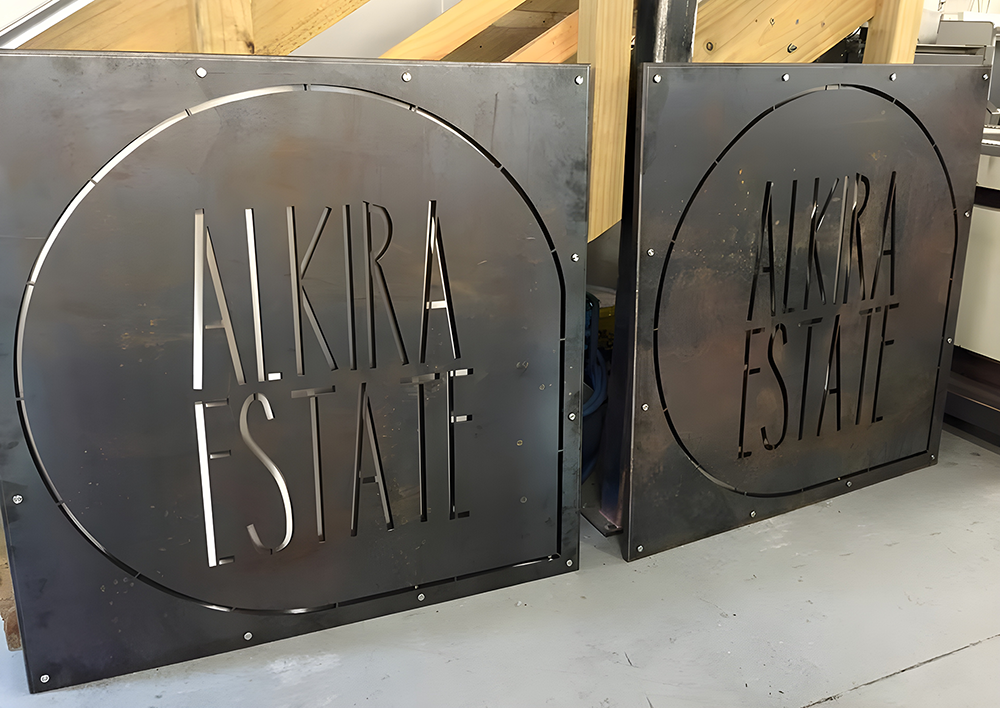
At the same time, traditional signage still suits many hospitality environments particularly where ambience and design consistency matter. Timber signage, painted lettering and fabricated metal signs often contribute to the overall aesthetic of bars, cafés and boutique dining venues.
A heritage-style café may lean towards traditional craftsmanship, while a fast-paced takeaway store may prioritise flexible digital displays. The style of business and customer expectations usually shape the decision more than trends alone.
Industrial Sites Often Prioritise Durability & Clarity
Industrial businesses, warehouses and manufacturing facilities generally have different signage priorities compared with retail or hospitality spaces. In these environments, readability, compliance and durability tend to influence signage choices.
Traditional signs are commonly used for:
- Safety notices
- Wayfinding
- Vehicle identification
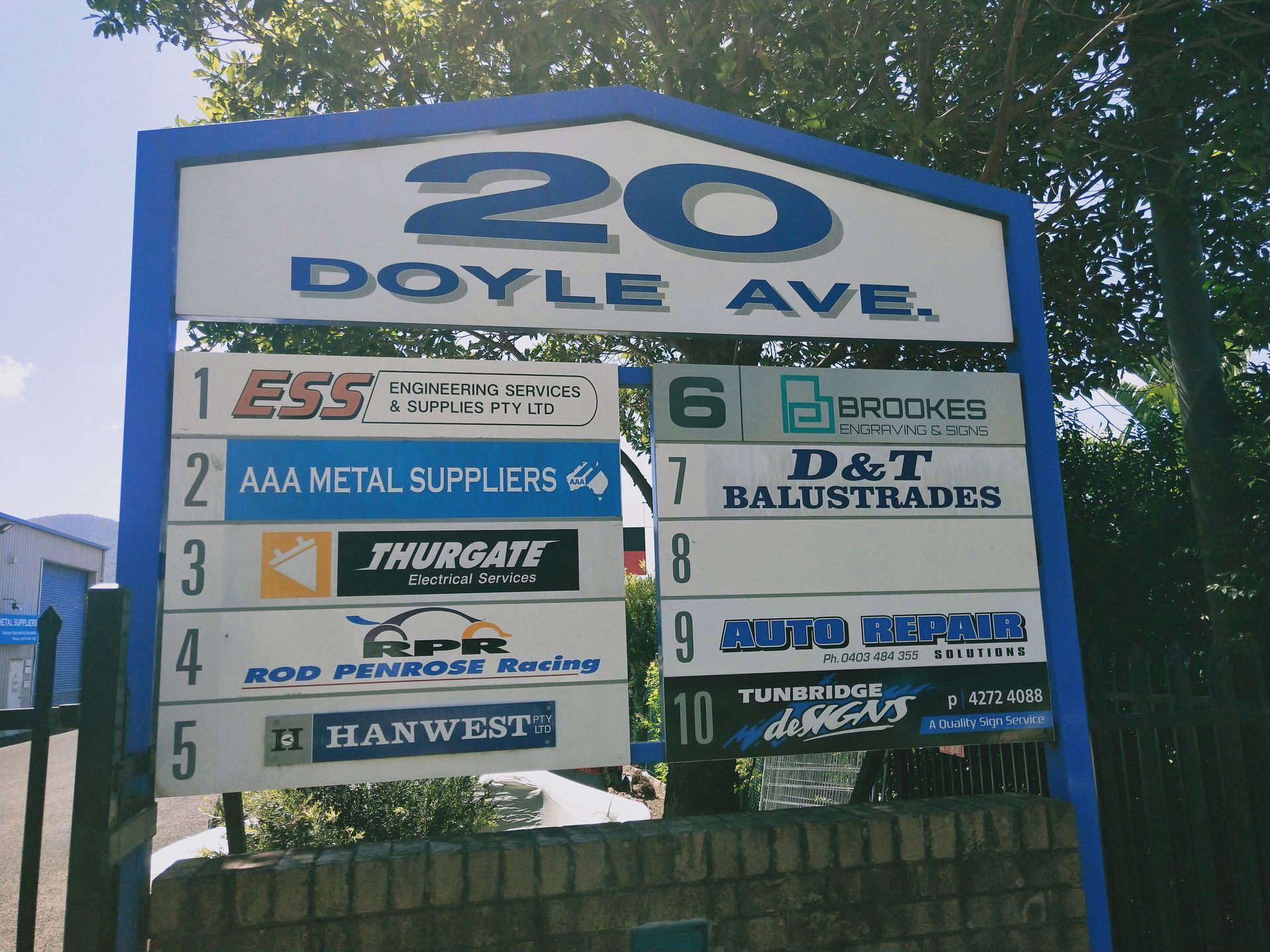
- Site directories
- Equipment labelling
Fixed signage often suits industrial sites because messaging does not change frequently. Materials such as aluminium composite panels, engraved plates and reflective vinyl can withstand outdoor exposure and demanding site conditions.
Digital signage may still appear in industrial settings for purposes such as:
- Production updates
- Visitor information
- Staff communication boards
- Workplace announcements
However, environmental conditions including dust, weather exposure and power access can influence whether digital displays are practical for certain sites.
Corporate Offices Often Focus on Presentation & Branding
Professional service businesses such as legal firms, medical clinics, accountants and consulting offices usually place strong emphasis on presentation and consistency. In these environments, signage often supports wayfinding and reinforces branding rather than advertising promotions.
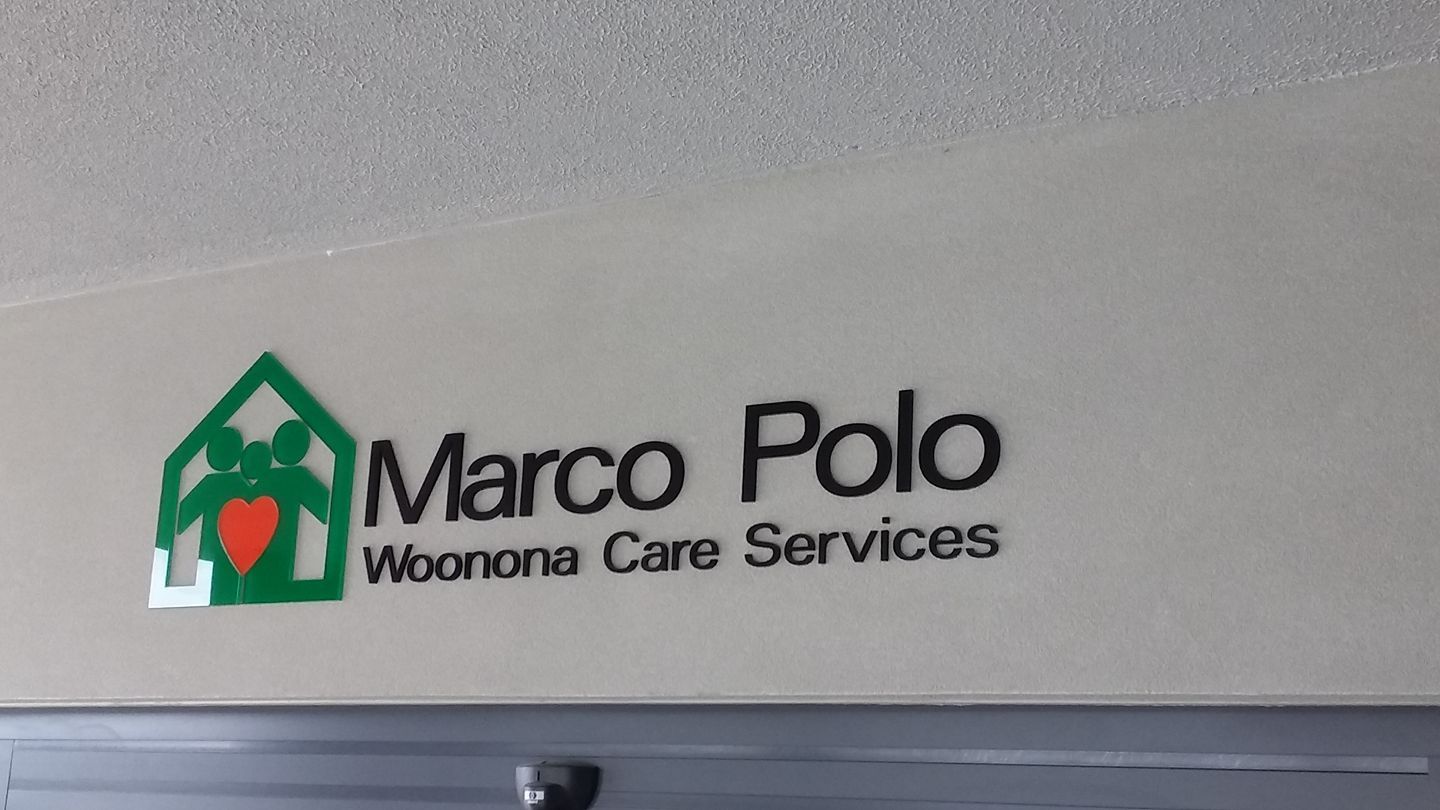
Traditional signage remains widely used in office settings because it creates a clean and structured appearance.
Popular applications include:
- Reception signage
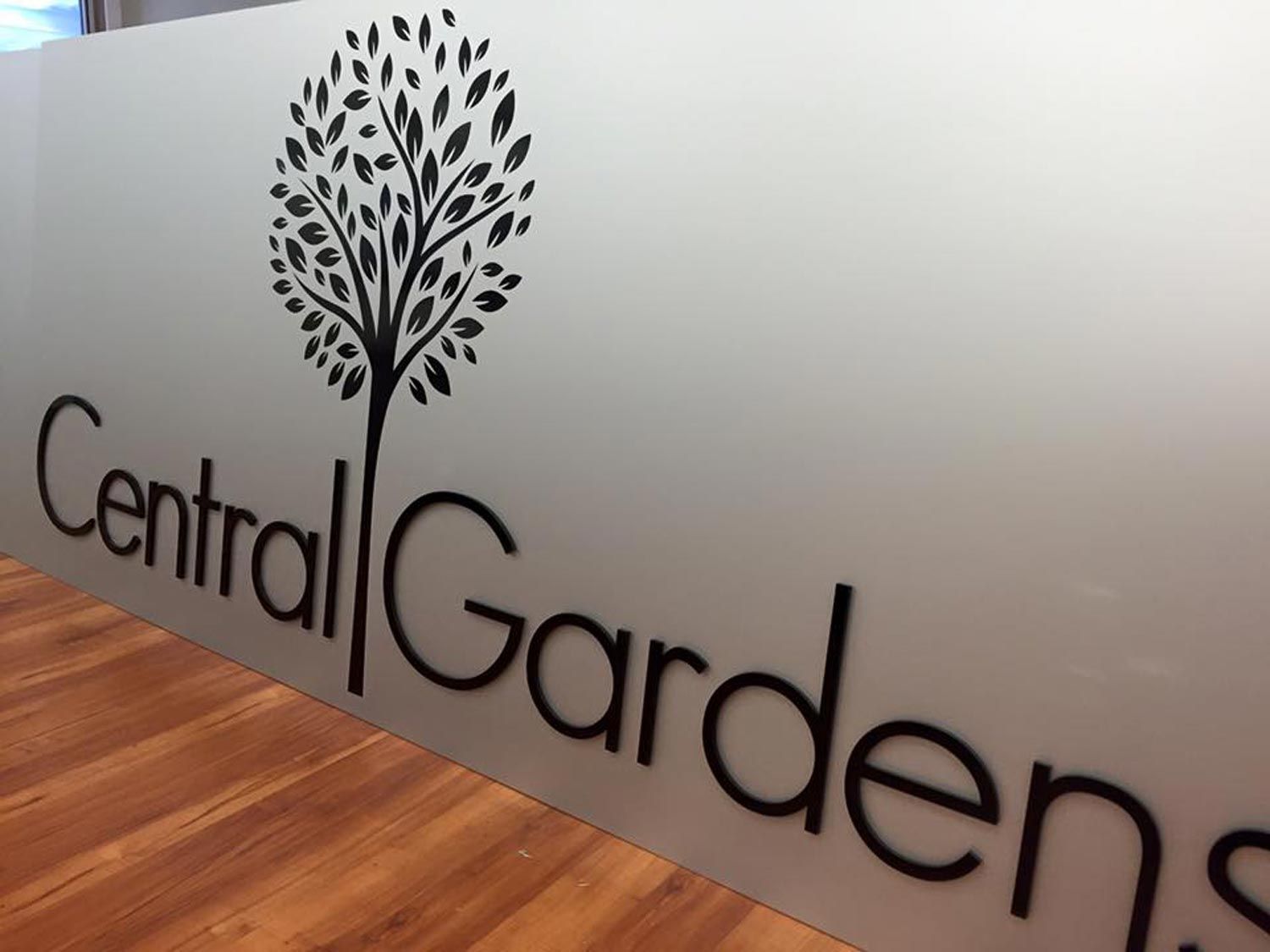
- Frosted window graphics
- Office directories
- Engraved plaques
- Meeting room identification
Digital signage can still play a role particularly within reception areas or shared commercial buildings. Screens may display announcements, appointment schedules or company information without altering permanent branding elements.
For many office environments, digital signage tends to supplement traditional signs rather than replace them entirely.
Maintenance & Running Costs Differ Significantly
Cost considerations extend beyond the initial installation. Businesses comparing signage options often focus on upfront pricing without considering long-term maintenance and operational requirements.
Traditional signs generally involve:
- Lower ongoing power usage
- Minimal software management
- Less technical maintenance
- Longer replacement cycles for static messaging
Digital signage may involve additional considerations such as:
- Electricity usage
- Screen servicing
- Software subscriptions
- Content management
- Brightness calibration
At the same time, businesses that update messaging frequently may reduce recurring printing or replacement costs through digital displays.
The long-term value often depends on how often content changes and how the signage will be used across daily operations.
Visibility Changes Depending on Location & Lighting
Sign visibility depends heavily on surrounding conditions. A sign located on a busy roadside may require different design considerations compared with signage inside a corporate reception area.
Digital signs can remain highly visible in low-light conditions and may attract attention through movement or brightness. This can suit businesses operating during evening hours or in densely populated commercial areas.
Traditional signs often rely on:
- Strong typography
- Material contrast
- Illumination
- Strategic placement
Some businesses combine illuminated traditional signs with digital displays to balance visibility and branding consistency.
Environmental factors influencing signage performance may include:
- Direct sunlight
- Viewing distance
- Traffic speed
- Pedestrian flow
- Nearby competing signage
Choosing signage based purely on appearance without considering the physical environment can limit visibility outcomes.
Council & Power Requirements May Affect Digital Signage
Businesses considering digital signage should also factor in local regulations and installation requirements. Depending on the sign size, brightness and location, council approvals may apply.
Digital signage considerations can include:
- Brightness restrictions
- Road safety visibility requirements
- Installation permits
- Structural support requirements
- Electrical access
Power availability may also influence placement options, particularly for external signage installations.
Traditional signs may involve fewer infrastructure requirements because they do not require constant electrical supply or digital connectivity. For businesses operating within heritage precincts or tightly regulated commercial zones, traditional signage may align more easily with local planning controls.
Before installing either signage type, businesses often benefit from discussing:
- Placement limitations
- Building regulations
- Illumination requirements
- Structural mounting conditions
- Access for maintenance
These factors can shape both design and installation planning.
Many Businesses Use a Combination of Both
The choice between digital and traditional signage does not always need to be exclusive. Many businesses use both formats together to support different functions across their premises.
A combined signage approach may include:
- Traditional fascia signage for permanent branding
- Digital displays for promotions or announcements
- Directional signage throughout the premises
- Window graphics paired with illuminated displays
Using multiple signage styles can allow businesses to balance long-term visibility with adaptable communication.
The right combination often depends on:
- Industry type
- Customer behaviour
- Physical location
- Operating hours
- Budget planning
- Frequency of content updates
Rather than focusing on which signage type delivers more impact overall, businesses often gain more value by identifying which signage style supports their operational needs most appropriately.
Get in Touch
At Brookes Engraving & Signs in Wollongong, we work with businesses planning signage upgrades, fitouts and branding projects across a wide range of industries. Whether you are comparing digital displays with traditional signage or trying to navigate local installation considerations, we can help you explore signage options suited to your premises and day-to-day operations. Contact us to discuss your next signage project.