When To Use Engraving Instead Of Printing For Branding Purposes
Brookes Engraving & Signs • January 30, 2026
Branding decisions are often made quickly, especially when businesses are ordering signage, equipment labels or branded assets under time pressure. Printing is usually the first option considered because it is familiar, fast and visually flexible. However, there are many situations where printing is not the most suitable choice, particularly when longevity, finish and material performance matter.
Engraving services in Wollongong offer a different approach to branding. Rather than applying ink or film to a surface, it permanently alters the material itself. This distinction has a direct impact on how branding looks over time, how it holds up in real-world conditions and how it is perceived by customers, clients and stakeholders.
Understanding when engraving is the more appropriate option can help businesses make informed branding decisions that align with their practical needs and long-term presentation goals.
Understanding the Fundamental Difference Between Engraving & Printing
At the most basic level, engraving and printing differ in how branding is applied to a surface. Printing places colour or graphics onto a material, while engraving removes material to create recessed or etched designs.
This difference affects durability, appearance and suitability for certain environments.
Key distinctions include:
- Printing relies on inks, toners or adhesives that sit on top of the surface
- Engraving alters the surface itself, creating depth & texture
- Printed branding may fade, peel or wear depending on exposure & handling
- Engraved branding remains visible as long as the material remains intact
For businesses considering long-term use items such as equipment tags, control panels or permanent
signage, this structural difference is often the deciding factor.
The Role of Longevity in Branding Decisions
Branding is not only about initial appearance. It also involves how well that branding holds up over months and years of use. In settings where signage or labels are exposed to friction, cleaning, sunlight or handling, printed finishes may gradually lose clarity.
Engraving is often selected when longevity is a priority rather than short-term visual impact.
Situations where durability matters include:
- Industrial or workshop environments
- Outdoor installations exposed to weather
- Frequently handled items such as nameplates or asset tags
- Safety labels that must remain readable over time
Because engraved text and graphics are physically part of the surface, they do not rely on coatings that can deteriorate under regular use.
Visual Impact & Perceived Value of Engraved Branding
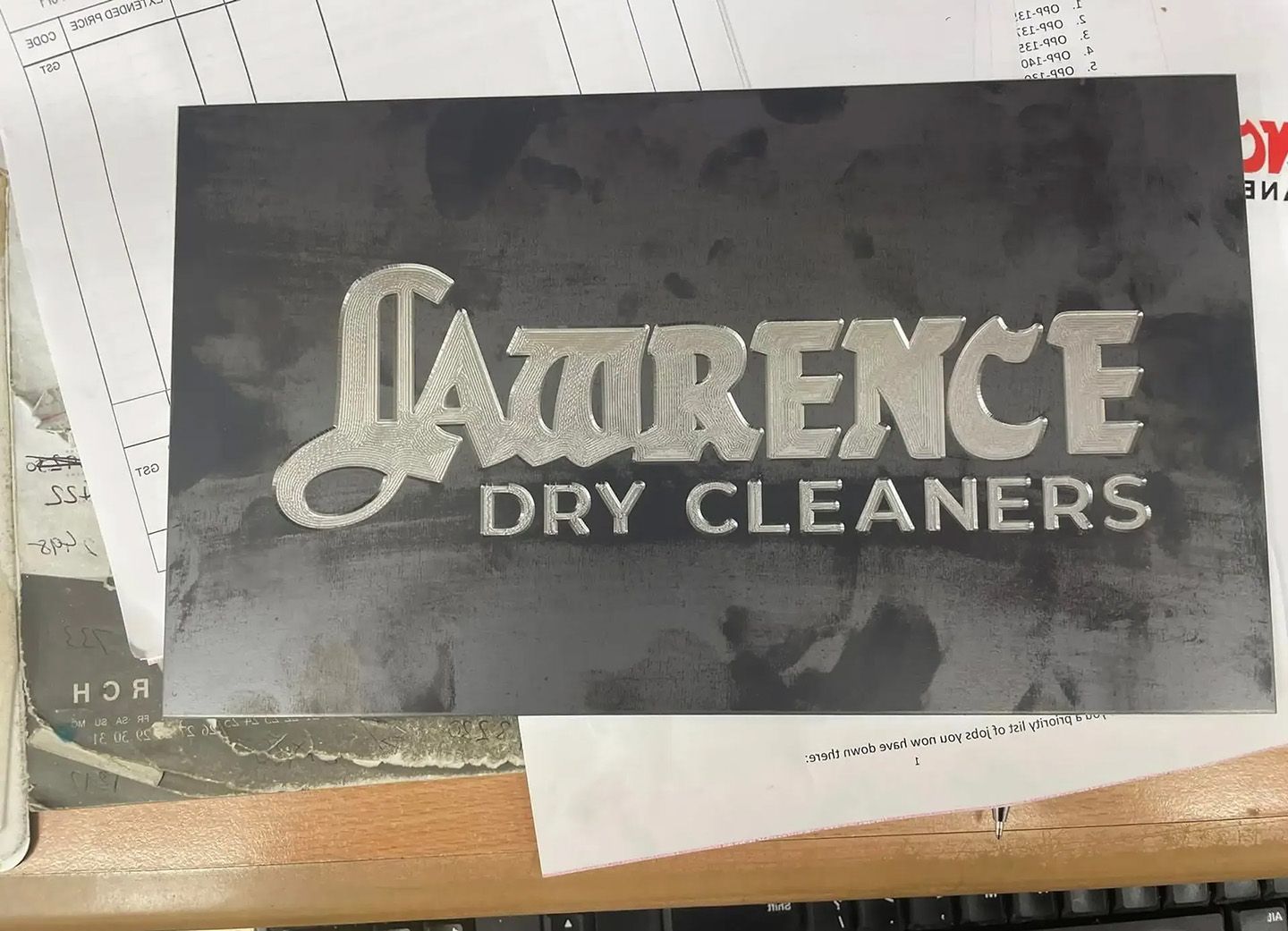
Beyond durability, engraving carries a distinct visual presence. The depth created by machine engraving produces shadows and contrast that change subtly depending on lighting and viewing angle. This creates a sense of permanence that flat printed graphics do not replicate.
Many businesses choose engraving when they want branding that feels considered and deliberate rather than temporary.
Common reasons include:
- A desire for understated branding rather than bold colour-heavy graphics
- Branding that complements metal, timber or acrylic finishes
- Signage that needs to remain legible without relying on colour contrast
- Applications where tactile or visual depth adds clarity
Engraved branding is often associated with long-term infrastructure rather than promotional material, which influences how it is interpreted by viewers.
When Printed Branding May Fall Short in Practical Environments
Printing has its place, particularly for marketing materials, packaging or short-term campaigns. However, there are many environments where printed branding may not perform as expected due to external factors.
Challenges with printing can include:
- Ink fading due to UV exposure
- Scratching or abrasion on high-contact surfaces
- Moisture affecting adhesion or colour consistency
- Cleaning processes gradually degrading the finish
In these contexts, businesses often look for alternatives that maintain legibility without ongoing replacement or touch-ups. Engraving addresses many of these limitations by removing reliance on surface coatings.
Materials that Are Well-Suited to Engraved Branding
Machine engraving is not limited to a single material type. It is commonly used across a wide range of substrates, each offering different visual and functional outcomes.
Materials frequently chosen for engraved branding include:
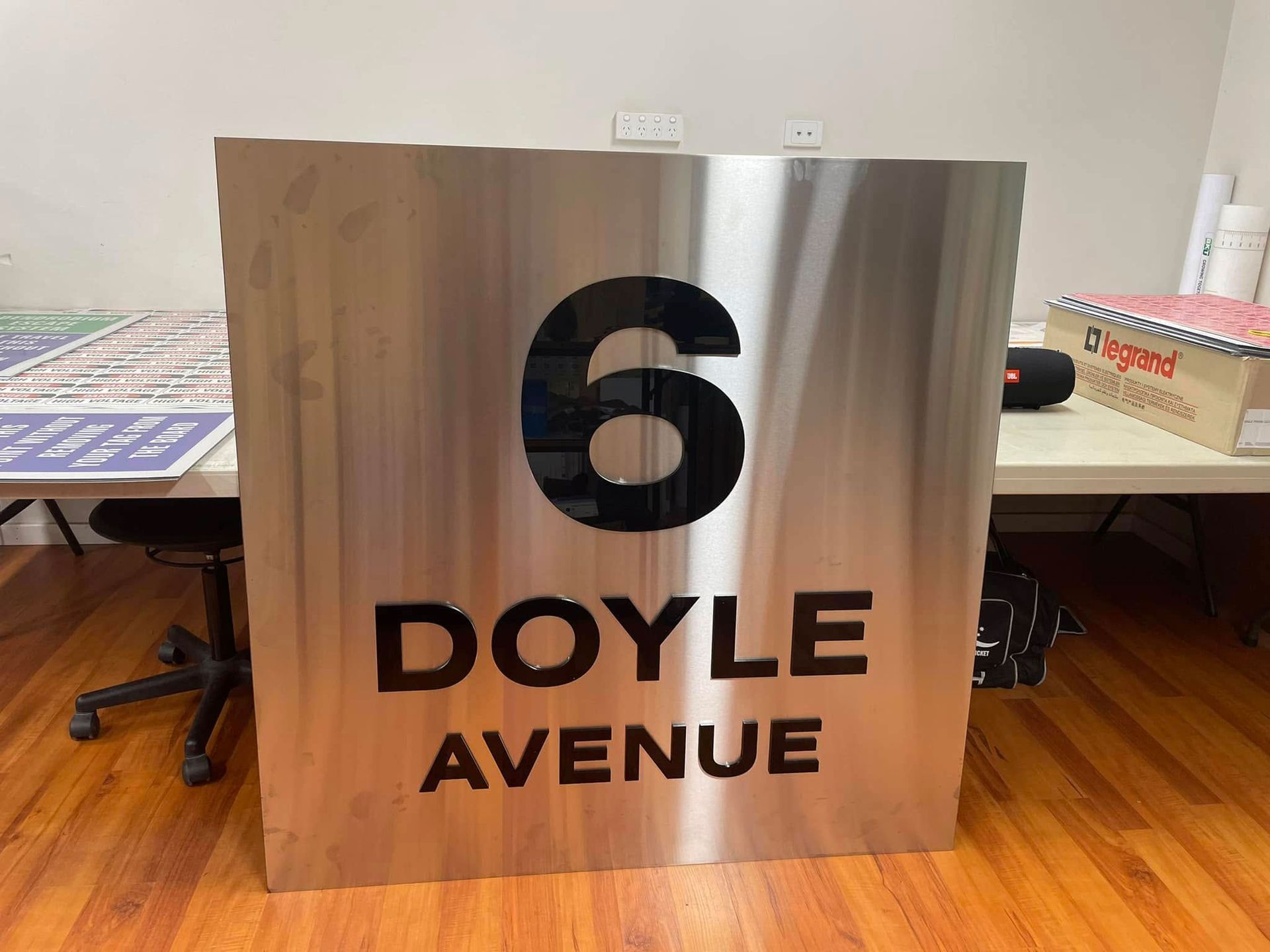
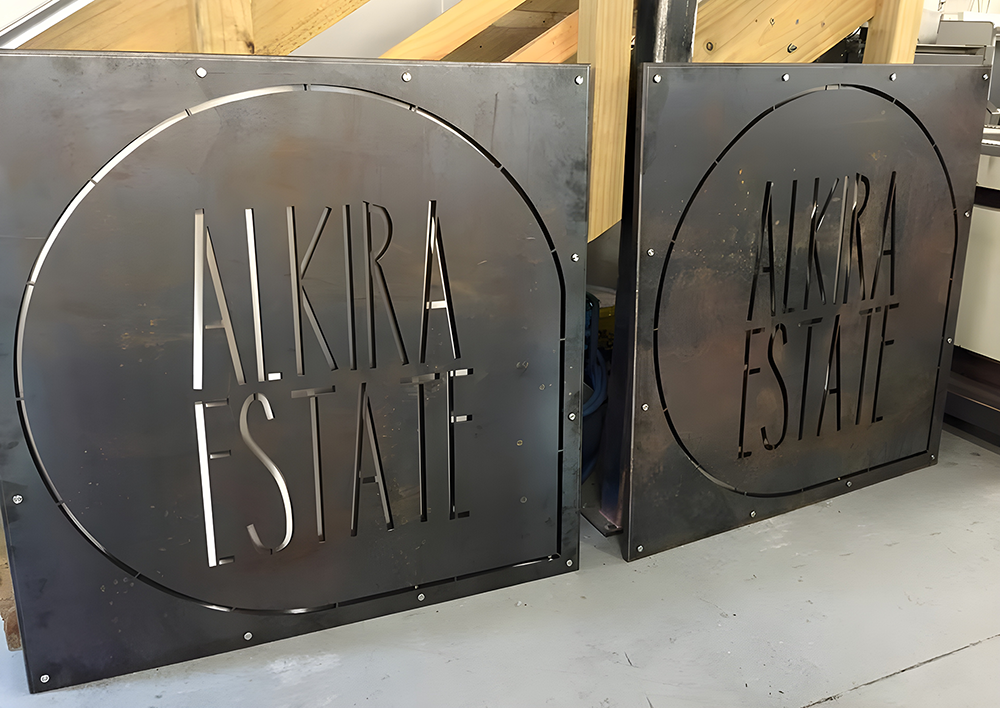
- Aluminium & stainless steel for industrial or compliance applications
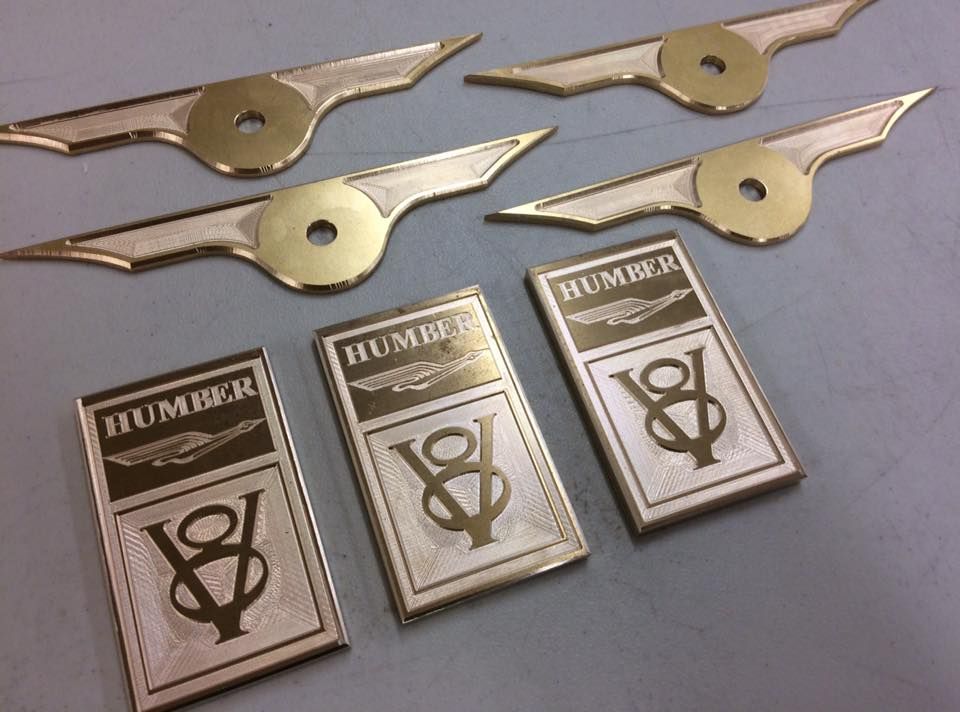
- Brass for plaques, plates & heritage-style signage
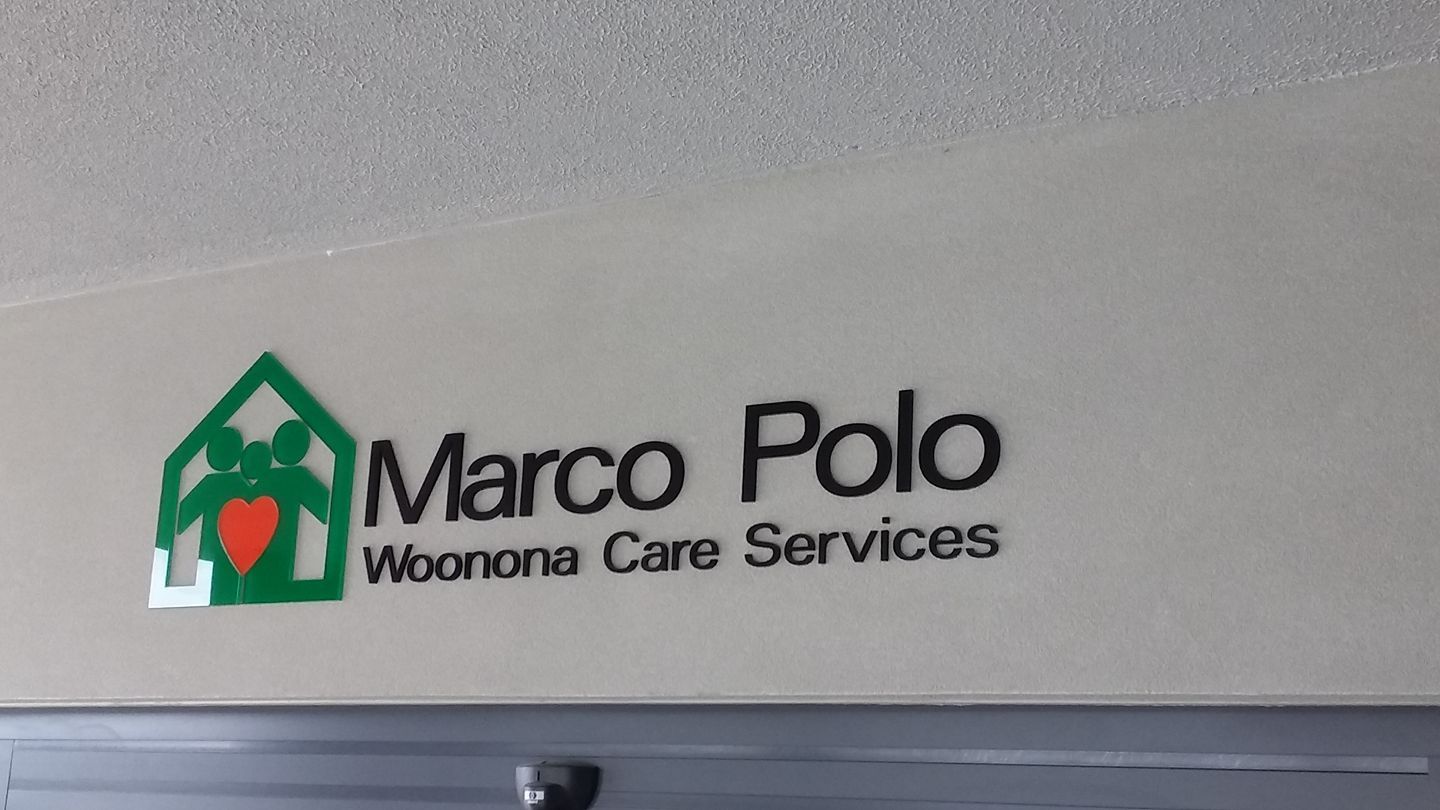
- Acrylic for modern signage & internal displays
- Plastics for control panels, labels & equipment markers
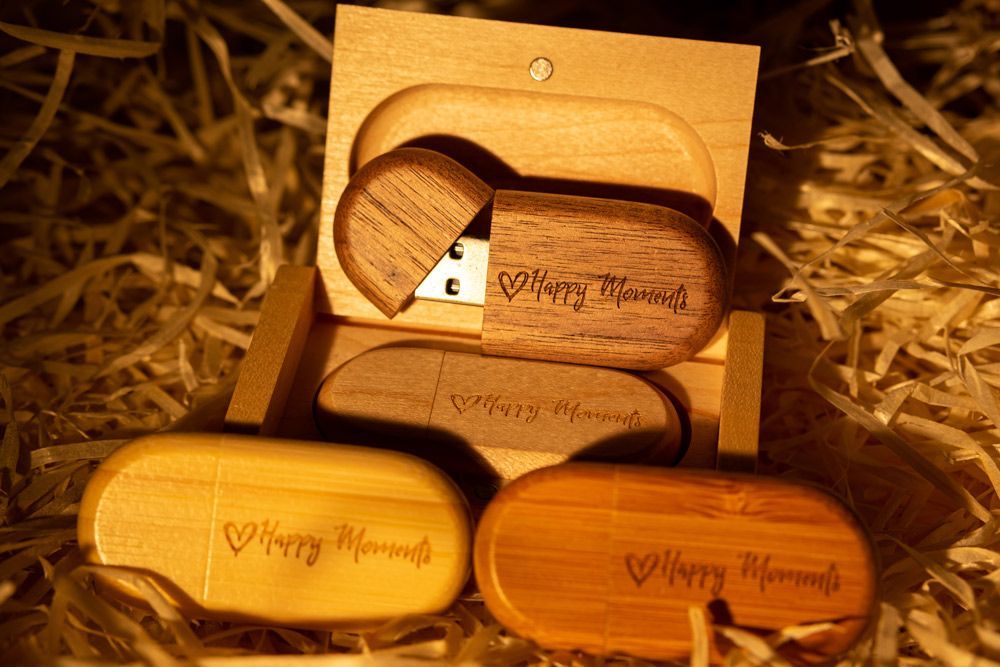
- Timber for architectural or decorative branding elements
The suitability of engraving depends on the material’s thickness, surface finish and intended use. Machine engraving allows for controlled depth and precision, which is particularly useful when consistency is required across multiple items.
Applications Where Engraving Supports Clarity & Compliance
In some cases, branding is not purely aesthetic. It also serves a functional role, such as identifying equipment, communicating instructions or supporting workplace safety.
Engraving is often selected in these applications because it maintains clarity over time.
Examples include:
- Equipment identification plates
- Electrical & mechanical labels
- Control panel markings
- Asset tracking tags
- Instructional signage that must remain readable
Because engraved text does not rely on ink contrast alone, it remains legible even as surfaces age. This makes it suitable for settings where information accuracy is essential.
Balancing Cost Considerations with Long-term Use
Initial cost is often a factor when choosing between engraving and printing. Printing may appear more economical upfront, particularly for high-volume or short-term projects. However, replacement frequency and maintenance can affect overall value.
Engraving is commonly chosen when:
- Items are intended for long-term installation
- Replacement would be disruptive or costly
- Branding consistency is required over time
- Maintenance access is limited
When viewed across the full lifespan of an item, engraving can align more closely with business needs that prioritise stability and reduced intervention.
How Machine Engraving Supports Consistent Branding Outcomes
Machine engraving allows for repeatable results across multiple items, which is important for businesses with standardised branding requirements. Depth, spacing and alignment can be controlled precisely, supporting consistency across signage, labels and branded components.
This consistency is particularly relevant for businesses managing:
- Multiple locations or facilities
- Standardised equipment fleets
- Uniform signage systems
- Ongoing asset identification programs
For businesses searching for engraving services in Wollongong, machine engraving provides a practical option for branding that needs to remain consistent across varied applications.
Get in Touch
At Brookes Engraving & Signs, we work with businesses that need branding solutions suited to real operating conditions, whether that involves long-term signage, equipment labelling or machine engraving applications. If you are based in Wollongong and navigating challenges such as coastal exposure, industrial wear or the need for branding that lasts beyond short-term use, engraving may be worth considering. To discuss your requirements or explore suitable options, get in touch with our team.