What Materials Are Commonly Used For Engraved Business Signs
Brookes Engraving & Signs • February 20, 2026
A business sign does more than display a name. It shapes first impressions, reflects brand identity and often remains in place for years. When that sign is engraved rather than printed or applied with vinyl, the material choice becomes even more important. The substrate determines how the engraving will look, how it will wear over time and how much maintenance it may require.
Machine engraving services in Wollongong create clean, permanent markings by cutting into the surface of a material. The depth, contrast and finish of the engraving depend heavily on what lies beneath the cutter. From sleek metals to layered laminates, each option offers distinct characteristics that influence durability, appearance, cost and suitability for indoor or outdoor use.
Below is a practical guide to the most common materials used for engraved business signs and how they compare.
1. Aluminium
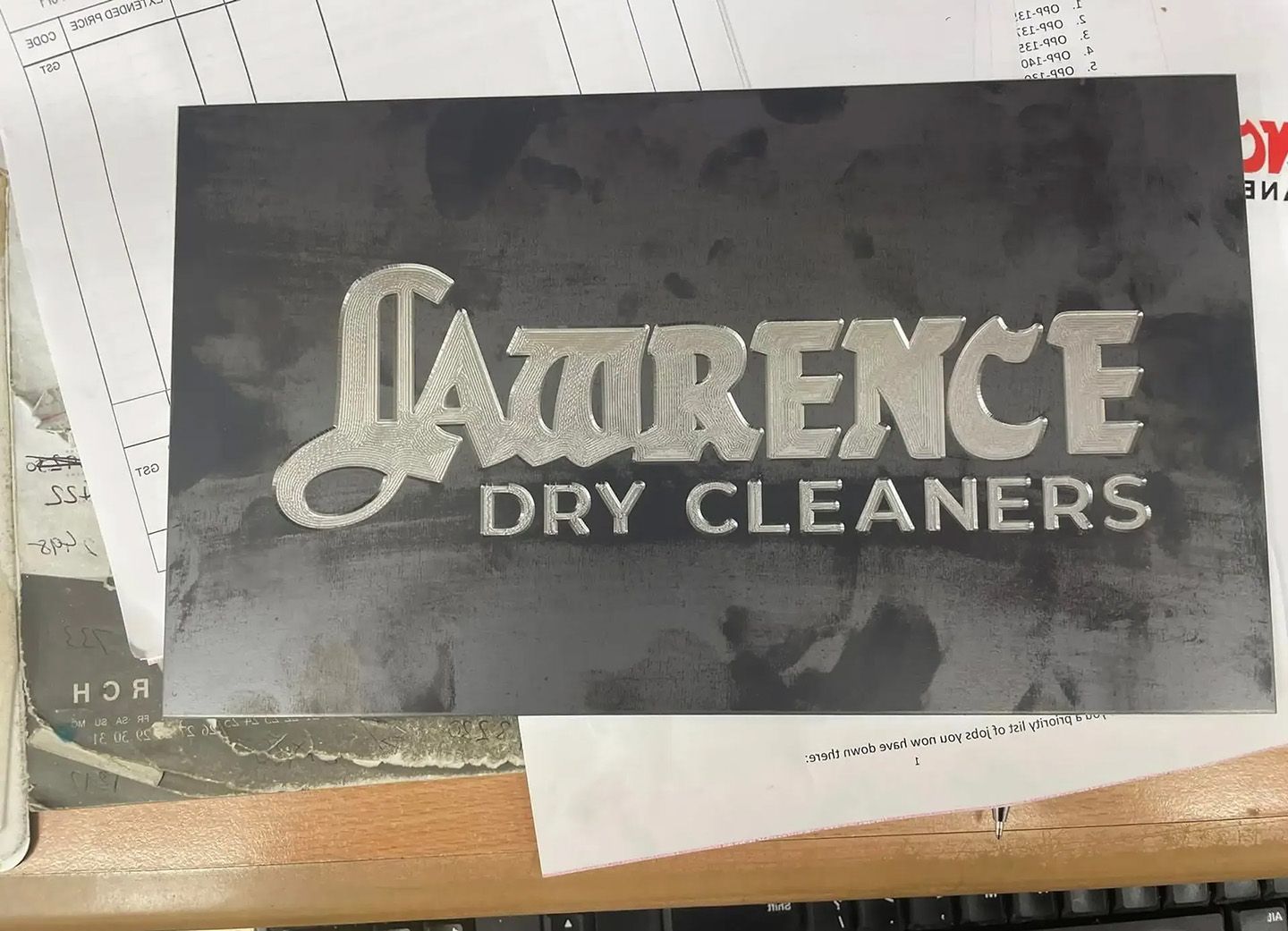
Aluminium is one of the most widely used materials in machine engraving for business signage. Lightweight yet sturdy, it suits both interior and exterior applications.
Aluminium signs can be supplied in natural, brushed, anodised or powder-coated finishes. When engraved, the surface coating is removed to reveal a contrasting layer beneath, producing sharp, readable lettering.
Pros:
- Good resistance to corrosion, particularly when anodised
- Suitable for outdoor exposure
- Clean, modern appearance
- Relatively lightweight for wall mounting
Cons:
- Can scratch if not coated
- May show surface wear over long periods
- Typically higher cost than plastic laminates
Best for: External building signs, directional signage, office entry plaques and compliance plates.
In outdoor environments, aluminium performs reliably when properly finished. It requires minimal maintenance beyond occasional cleaning with mild detergent and water.
2. Stainless Steel
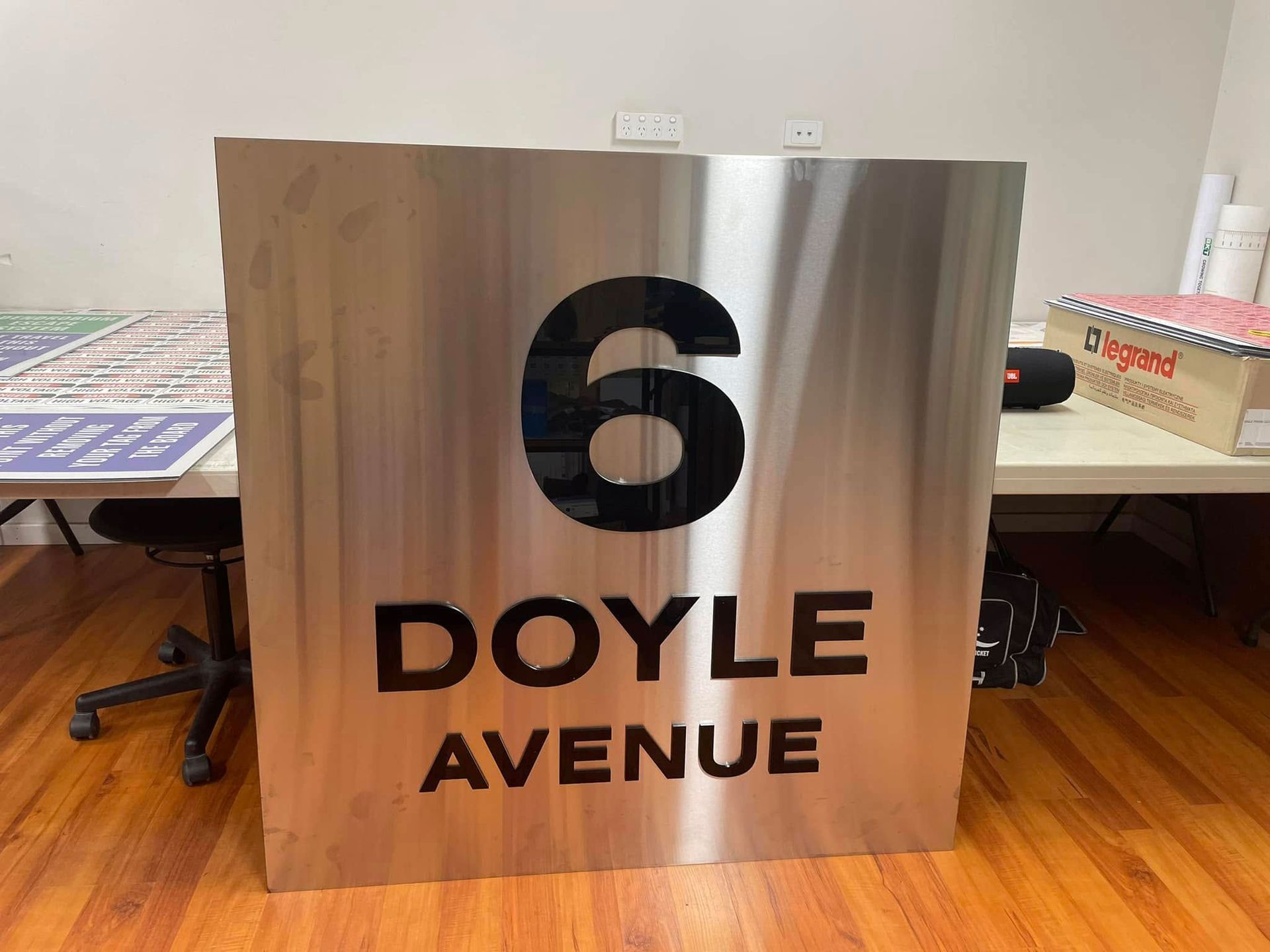
For businesses seeking a solid, refined look, stainless steel offers a distinct visual presence. Its weight and finish convey permanence and durability.
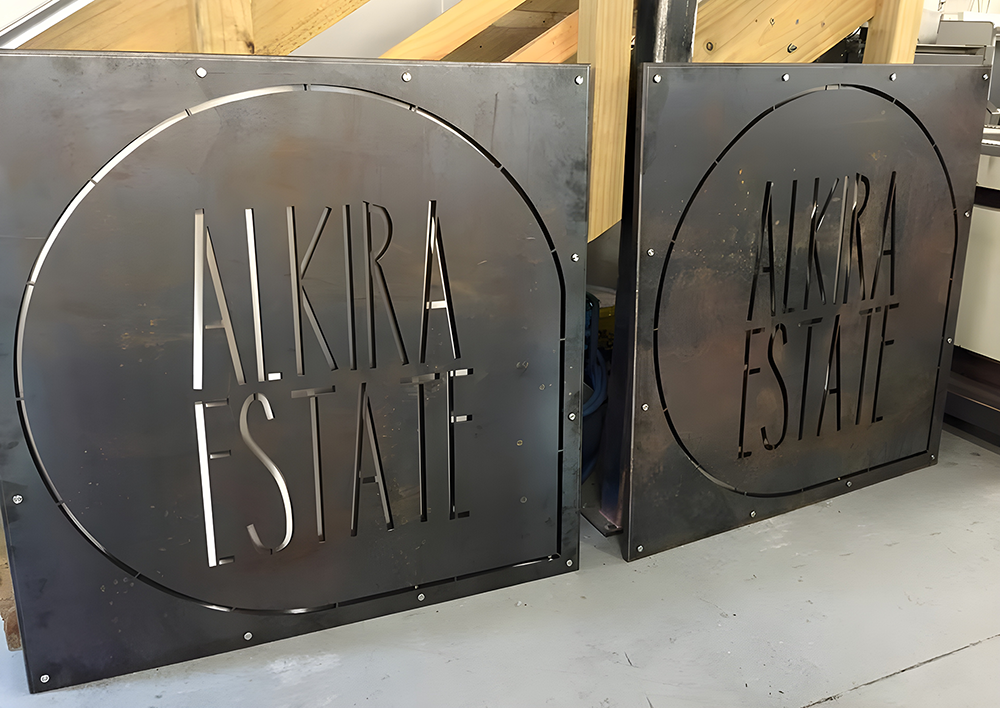
Machine engraving stainless steel involves cutting directly into the metal surface, creating subtle but precise markings. Some applications may incorporate paint infill to increase contrast.
Pros:
- High durability in harsh environments
- Strong resistance to rust & corrosion
- Premium appearance with brushed or polished finishes
- Long lifespan outdoors
Cons:
- Higher material & machining cost
- Heavier & may require reinforced mounting
- Engraving contrast can be subtle without additional treatment
Best for: Corporate signage, commemorative plaques, industrial identification plates and areas exposed to moisture or coastal conditions.
Maintenance is straightforward, usually limited to periodic wiping to remove fingerprints or environmental build-up.
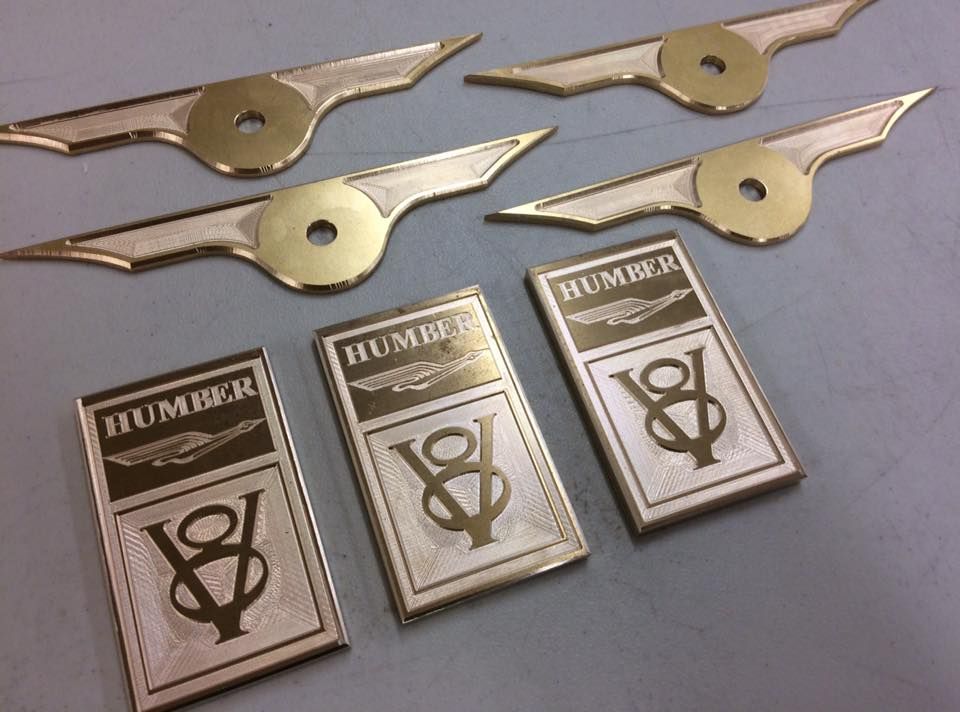
3. Brass
Brass has long been associated with traditional signage. Its warm metallic tone suits heritage buildings, professional offices and hospitality venues.
When engraved, brass reveals clean incised lettering. Over time, untreated brass develops a natural patina, which some businesses appreciate for its aged character.
Pros:
- Classic & elegant appearance
- Suitable for detailed engraving
- Develops natural patina if left unsealed
Cons:
- Requires polishing to maintain bright finish
- Higher upfront material cost
- Not always suited to highly modern branding styles
Best for: Reception plaques, nameplates, honour boards and heritage settings.
For outdoor use, brass may require protective coatings to reduce tarnishing. Indoors, occasional polishing maintains its original sheen.
4. Engraving Laminates (Plastic)
Engraving laminates, sometimes called multi-layer plastic, are widely used for interior signage. These materials consist of a coloured surface layer over a contrasting core. When machine engraved, the top layer is removed to reveal the underlying colour.
They are available in a wide range of colour combinations and finishes, including matte, gloss and textured surfaces.
Pros:
- Cost-effective compared with metals
- Wide colour selection
- Lightweight & easy to install
- Clear contrast for readability
Cons:
- Less durable in prolonged outdoor exposure
- Can fade or warp under intense UV conditions
- Not as robust as metal for high-impact areas
Best for: Office door signs, desk nameplates, directory boards, safety labels and internal wayfinding.
These materials generally require minimal upkeep indoors. For outdoor use, UV-stable grades are available, though lifespan may vary depending on environmental exposure.
5. Acrylic
Acrylic offers versatility in design and finish. It can be clear, frosted or coloured, and may be mounted flush or with stand-offs to create depth.
When engraved, acrylic can produce crisp lettering, particularly when back-filled with colour or illuminated from behind. This makes it a popular choice for contemporary office signage.
Pros:
- Modern & adaptable aesthetic
- Can be paired with lighting
- Lightweight & available in various thicknesses
- Suitable for indoor & some sheltered outdoor uses
Cons:
- Surface can scratch more easily than metal
- May become brittle over extended UV exposure
- Less impact resistant than some alternatives
Best for: Reception signage, wall-mounted branding panels, menu boards and interior displays.
Routine cleaning with a soft cloth helps maintain clarity and prevent surface marks.
6. Traffolyte
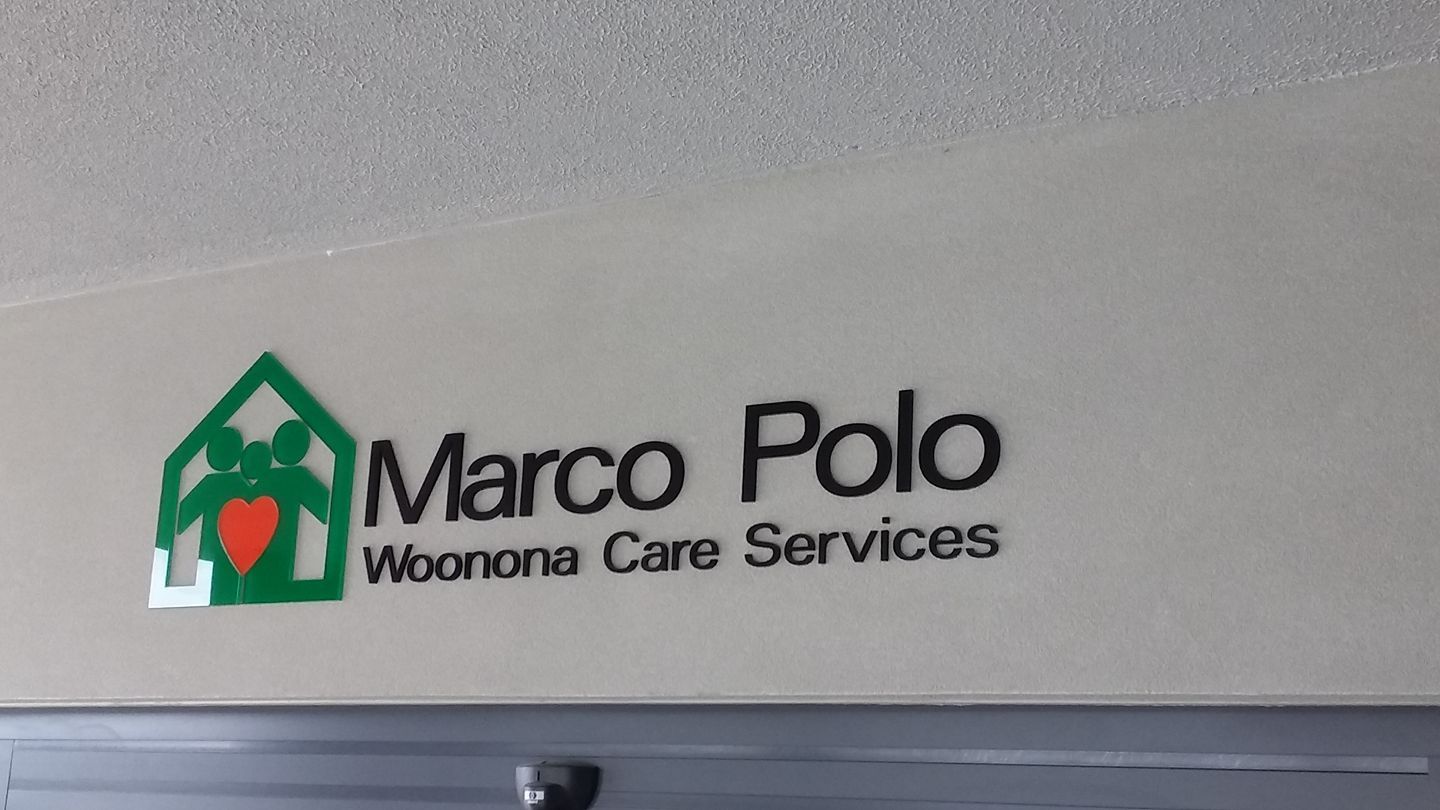
Traffolyte is a brand name commonly used to describe phenolic engraving laminate. It is widely used for industrial and electrical applications due to its resilience.
This material features a layered construction similar to plastic laminate but is typically more heat resistant and durable.
Pros:
- Resistant to chemicals & heat
- High contrast engraving
- Reliable for industrial settings
- Cost-effective for bulk labelling
Cons:
- Limited aesthetic appeal compared with metal
- Colour range can be more restricted
- Primarily functional rather than decorative
Best for: Switchboard labels, equipment tags, asset identification plates and safety signage.
Maintenance is minimal, as the material is designed for long-term identification in demanding environments.
7. Timber
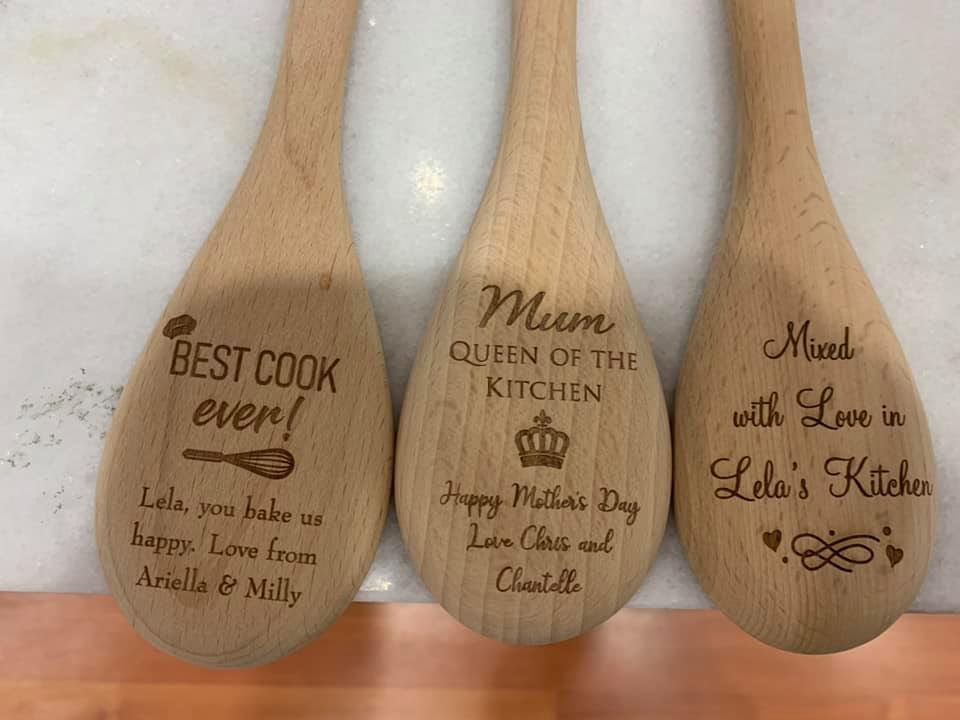
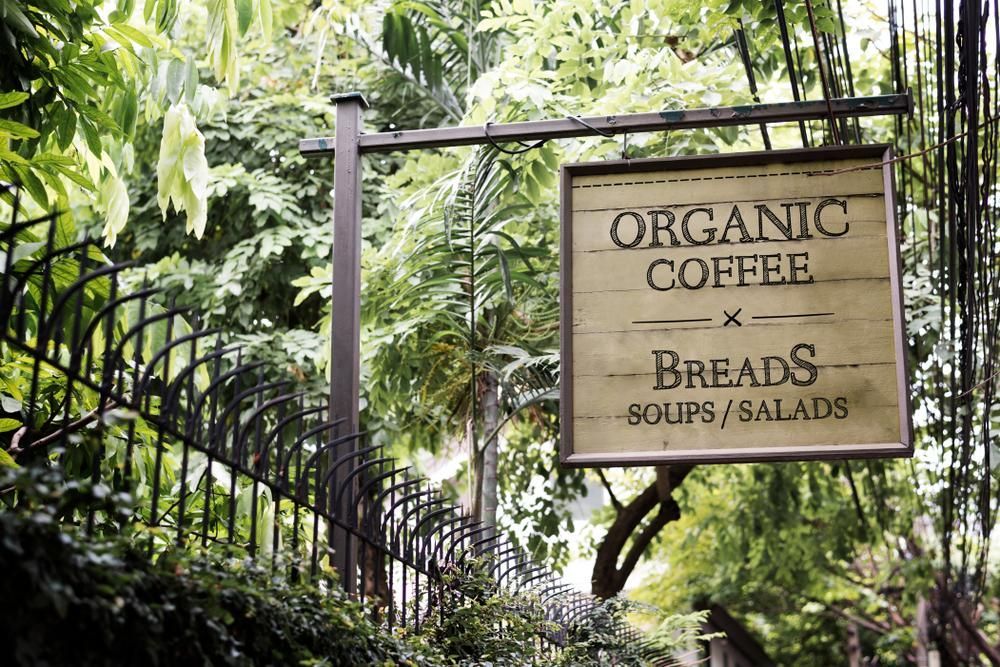
Timber engraved signage offers warmth and character. It suits businesses that want a natural or rustic aesthetic.
Machine engraving timber produces recessed lettering that can be left raw, stained or painted for contrast. The species of timber influences durability and grain pattern.
Pros:
- Natural texture & visual warmth
- Customisable with stains or coatings
- Suitable for detailed carving
Cons:
- Vulnerable to moisture & UV exposure
- Requires sealing & periodic maintenance outdoors
- May warp or crack over time
Best for: Indoor branding, café signage, boutique storefronts and decorative plaques.
For exterior use, hardwoods with protective coatings are preferred, though ongoing maintenance may be required to manage weathering.
8. Choosing the Right Material for Indoor vs Outdoor Use
Selecting a material involves balancing appearance, cost, durability and the environment in which the sign will sit. Indoor signs generally have more flexibility, while outdoor signs must contend with sun, rain and temperature changes.
For indoor applications:
- Plastic laminates & acrylic are common due to cost & colour variety
- Brass & stainless steel provide a refined look for reception areas
- Timber adds warmth where moisture exposure is limited
For outdoor applications:
- Aluminium & stainless steel offer strong weather resistance
- UV-stable laminates can suit sheltered locations
- Protective coatings may be required for brass or timber
Cost considerations vary. Laminates are often more budget-friendly, while stainless steel and brass typically involve higher material and machining expenses. Maintenance requirements also differ, with metals generally needing less frequent intervention than timber.
When planning machine engraving for business signage, it helps to consider the expected lifespan of the sign, brand aesthetics and environmental conditions. The right material supports legibility, maintains its appearance over time and aligns with the overall visual identity of the business.
Get in Touch
At Brookes Engraving & Signs, we provide machine engraving for business signage across a wide range of materials, from aluminium and stainless steel to laminates and acrylic. If you are comparing options and searching for ‘engraving near me’ or ‘engraving services Wollongong’, we are available to discuss suitable materials for your application. Local conditions, including coastal air and strong sun exposure, can influence how different materials perform, and we can outline practical considerations before production begins. Visit our website to get in touch and arrange a consultation.